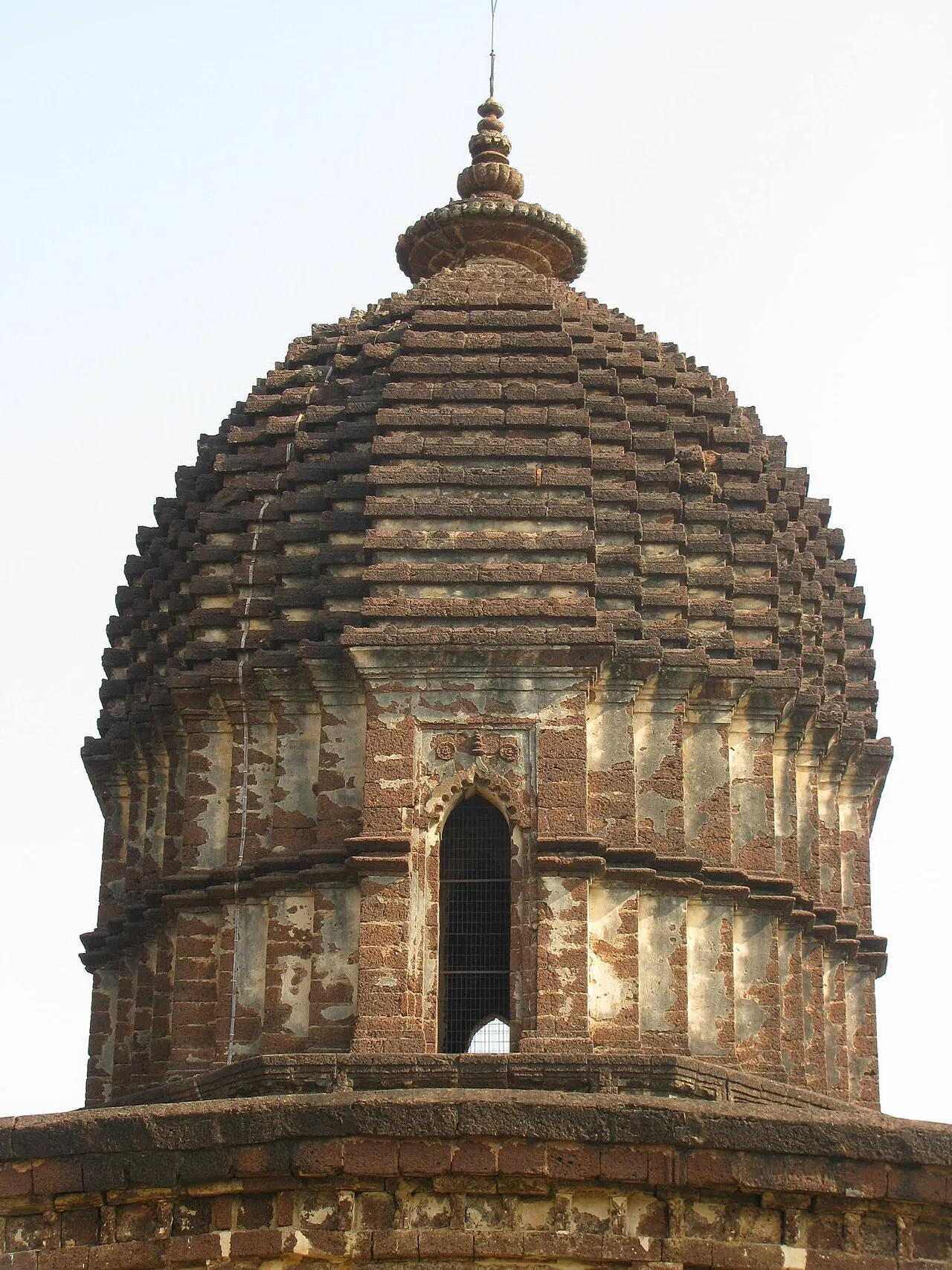
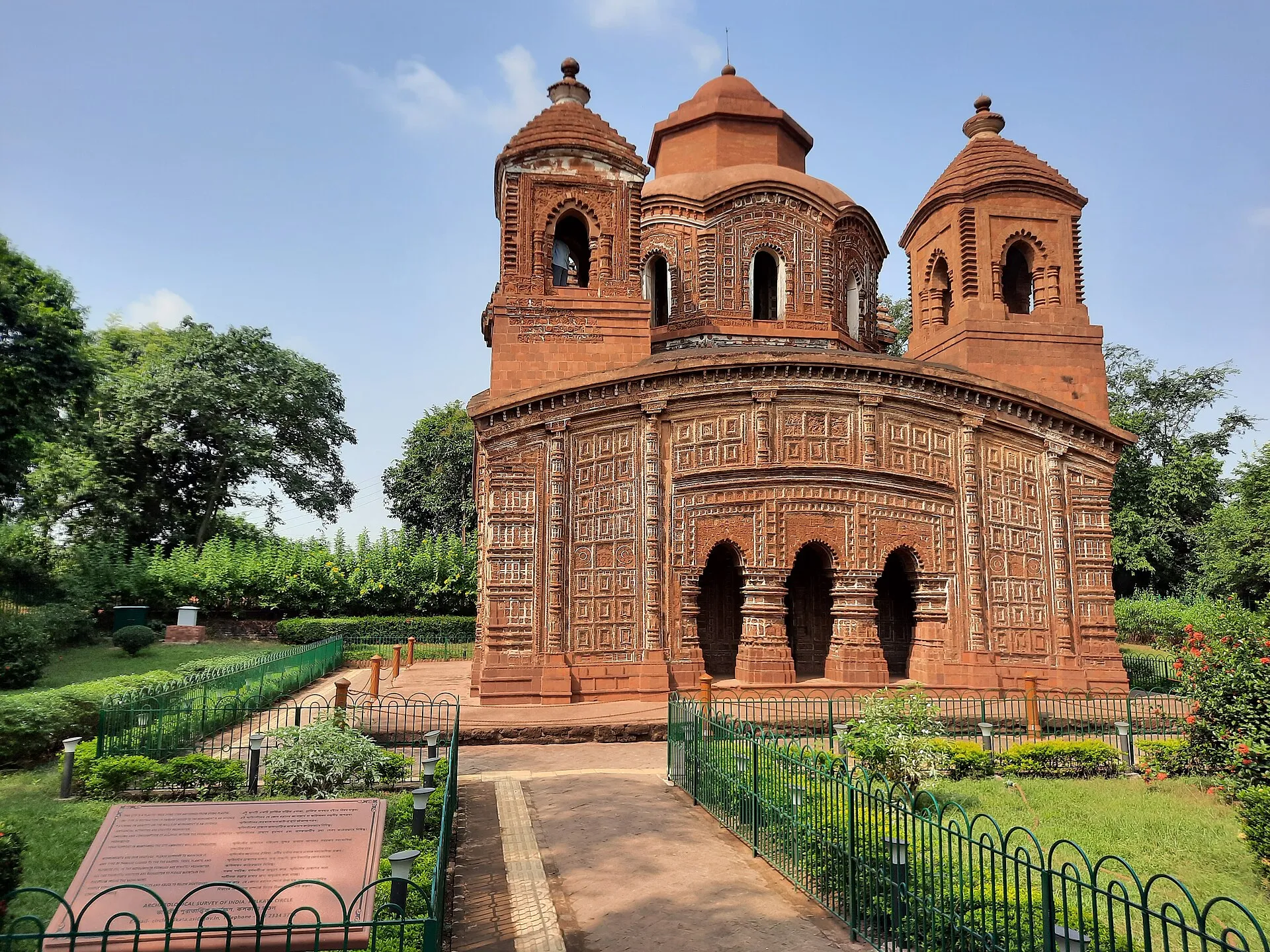
There's a particular kind of quiet in Bishnupur — not the absence of sound, but the presence of something older than traffic. You hear it standing in front of the Jor Bangla temple at 7 in the morning, before the first tour bus arrives, when the terracotta panels catch the light at an angle that makes three-hundred-year-old carvings of Krishna's life look freshly cut.
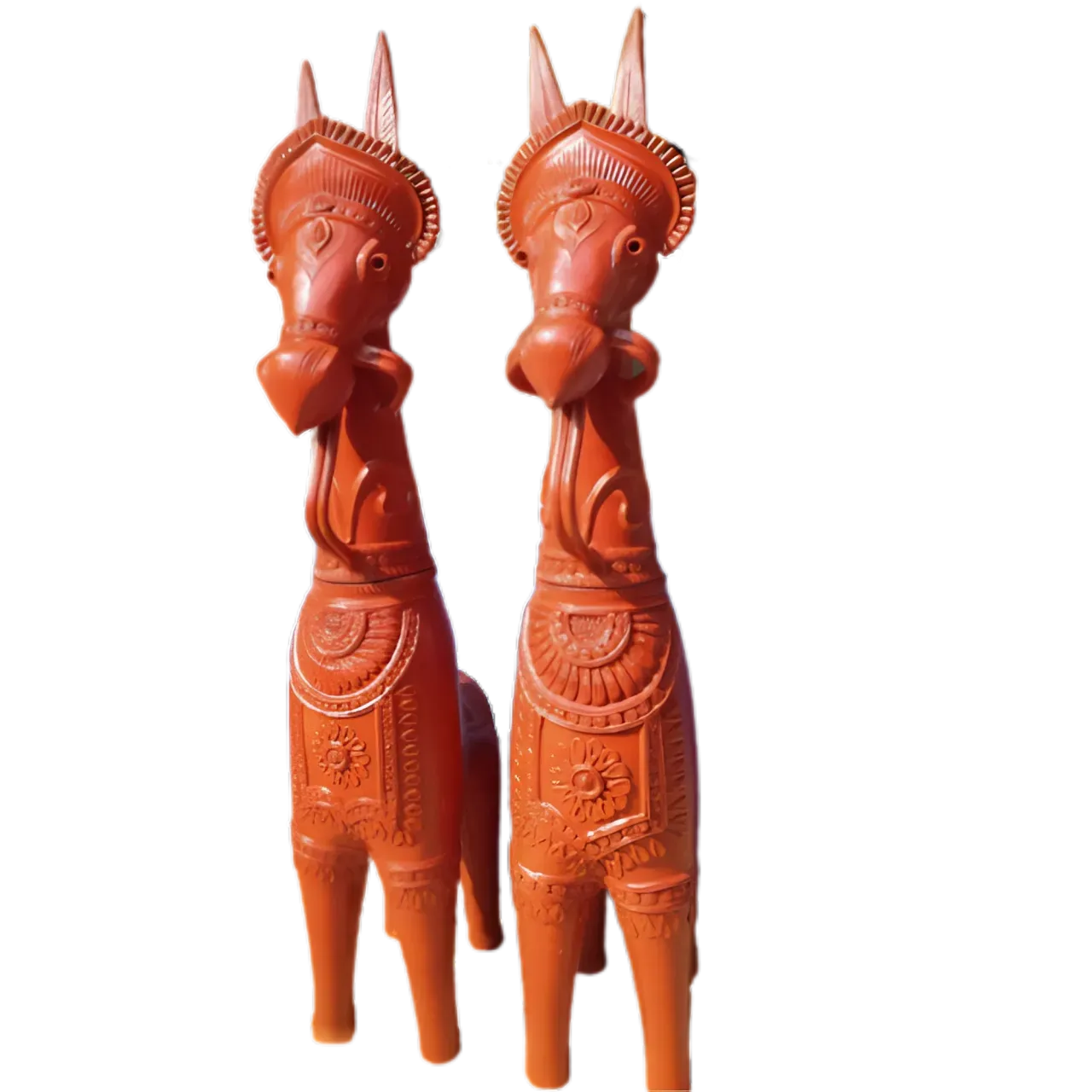
Bankura doesn't announce itself. It's a district you have to want to visit — temple towns where entire walls are carved in fired clay instead of stone, a rock hill where prehistoric humans left inscriptions nobody has fully deciphered, a dam-fed lake big enough to lose the shoreline in morning mist, and villages where the iconic Bankura horse is still shaped by hand on a potter's wheel. We've been running trips here since Rural Dreams started. It's not the loudest destination we work in, but it might be the one that rewards patience the most.
Why visit
India's finest terracotta architecture, concentrated in one small town — Bishnupur — rather than scattered across a state.
The birthplace of Baluchari silk, where you can watch the entire weaving process on an actual working loom — not a staged demo.
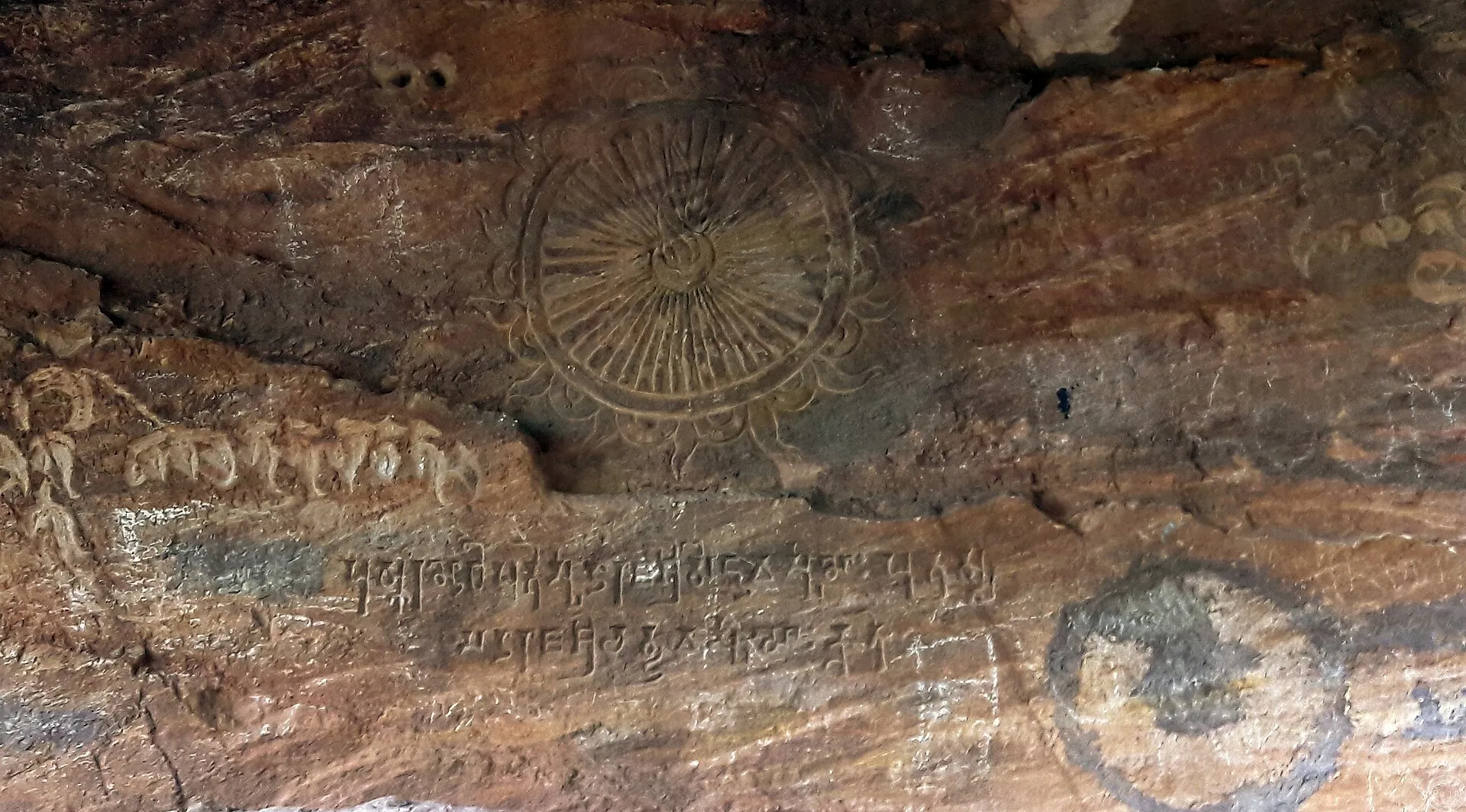
Susunia Hill's rock inscriptions, among the oldest recorded scripts in eastern India, in a landscape most visitors don't expect from West Bengal.
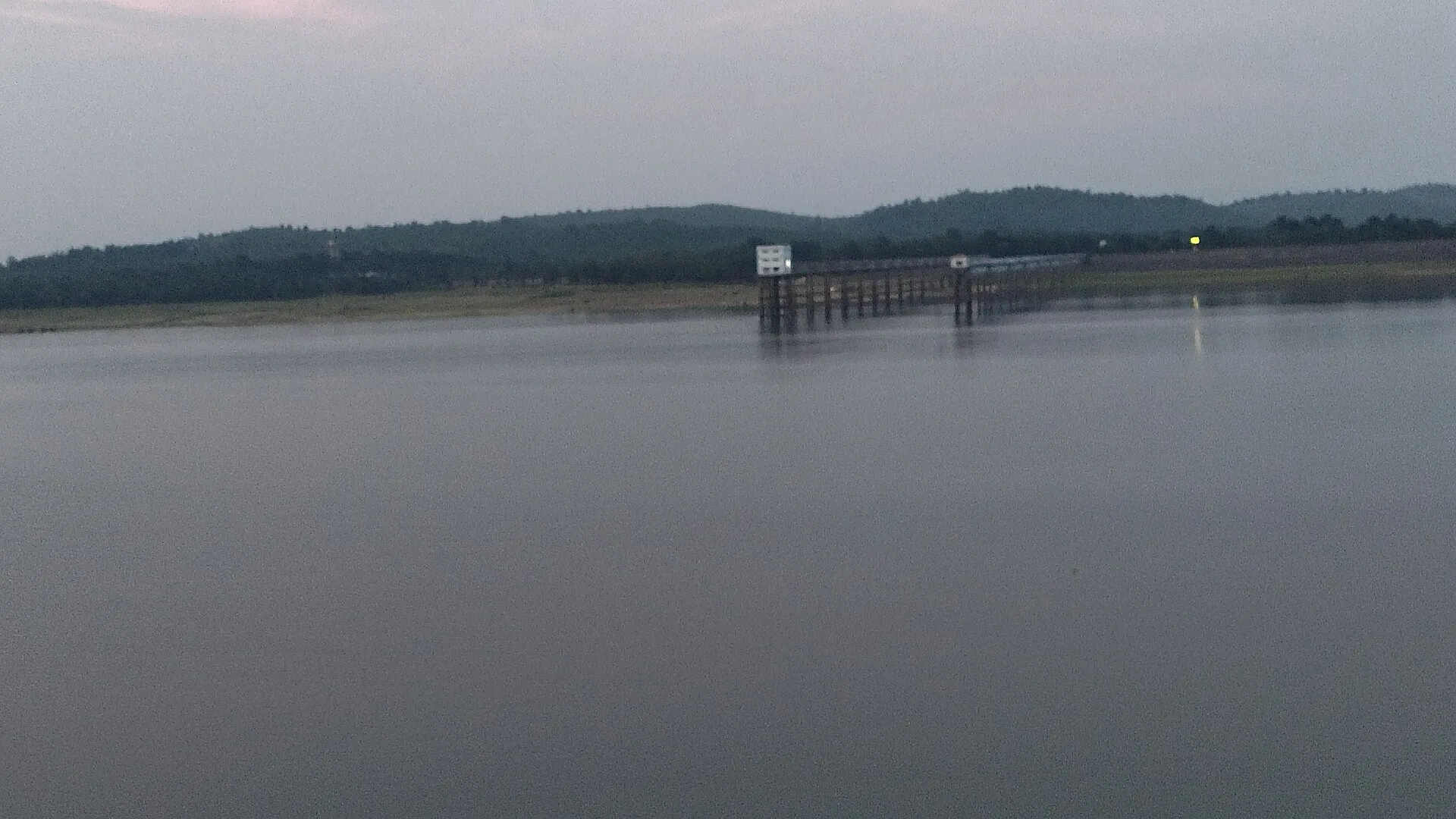
Mukutmanipur, one of the largest earthen dams in India, with a mist-covered reservoir that feels closer to a Himalayan lake than a Bengal plain.
A day-trip radius small enough to see temple architecture, tribal craft villages, and rock terrain without long transfers.
Top attractions
Hidden gems
Biharinath Hill's quiet trekking trails, almost entirely bypassed by standard itineraries · the Jhilimili sal-forest belt and its Santal villages, best taken slowly · Rasmancha at opening time, before the tour crowds · the smaller family pottery lanes beyond Panchmura, working without any signage aimed at tourists.
From our Bankura trips
When to go
Oct – Feb · The sweet spot
Daytime 15–28°C, terracotta colours deepen in winter light, and the Kangsabati reservoir is at its fullest and calmest.
Jul – Sep · Monsoon drama
Gangani's badlands and the Jhilimili forests turn a saturated green. Humid, with the occasional washed-out road — excellent for a second trip, not a first.
Apr – Jun · Avoid
Dry, dust-laden heat that can cross 40°C — the landscape turns harsh and photography suffers.
Good to know
Photography
Early morning and late afternoon side-light brings out the temple relief carving that flat midday sun completely flattens. Mukutmanipur at sunrise, mist on the water, is a genuine standout — and Panchmura's workshops offer some of the most authentic craft-in-process shots in the state.
Adventure
Rock climbing and bouldering at Susunia (moderate grade, guide recommended), boating on the reservoir, trekking around Biharinath, and cycling routes between Bishnupur and Panchmura for a slower, self-paced countryside.
With family
The temple complex is flat and easy to walk with children or elderly parents, the pottery workshops genuinely engage kids, and distances between sites are short enough that the trip never turns into long, tiring transfers.
Wildlife
Not a marquee wildlife destination, but the forest belts around Jhilimili and Biharinath support spotted deer, jackal, and strong birdlife — the reservoir draws waterfowl in winter. Quiet forest walks and birdwatching, not jeep safaris.
Bankura in 3 days
A 4-day version adds Gangani's badlands and a full craft-village day — ask us.
Day 1
Arrival · Bishnupur temples
Arrive by afternoon. Jor Bangla and Rasmancha in golden-hour light. Evening at leisure.
Day 2
Panchmura · Susunia Hill
Morning with the terracotta potters and Baluchari looms. Afternoon hike and rock inscriptions at Susunia. Back to Bishnupur for the night.
Day 3
Mukutmanipur · Return
Sunrise over the reservoir, boating and a relaxed lakeside breakfast. Depart for Kolkata by early afternoon.
Kolkata–Bishnupur ~200 km / 4–5 hrs · Bishnupur–Susunia ~45 km / 1 hr · Bishnupur–Mukutmanipur ~65 km / 1.5 hrs
Ready to see Bengal's terracotta heartland for yourself?
Nearby: Purulia — hill country · Jhargram — deep forest